Brother ELF Christmas: A Designer’s Honest Review for Embroidery Projects
When I first opened the Brother ELF Christmas design file, I wasn’t sure what to expect. As someone who has reviewed hundreds of machine embroidery designs and run a small custom apparel shop for over eight years, I’ve learned that a cute preview image doesn’t always translate into a smooth stitching experience. But after working with this digital embroidery file on several real projects, I can share a practical, grounded take on where it shines, where it needs care, and how it fits into a craft business or handmade product lineup.
The design arrives as a set of digital illustrations in SVG, PNG, DXF, and EPS formats, so it’s technically a Graphics package rather than a pre-digitized embroidery file. That means you’ll need to convert it using your preferred embroidery software or cutting machine platform before stitching. For anyone used to working with Cricut Design Space or similar tools, this is straightforward. But if you’re newer to the process, it’s worth noting upfront that this is a design asset you digitize yourself, not a ready-to-stitch file.
First Impressions: Mood, Shape, and Visual Personality
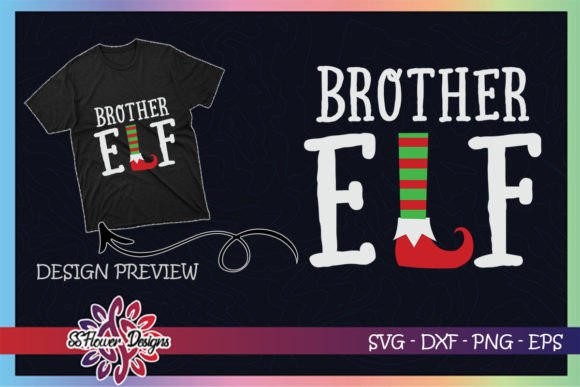
The Brother ELF Christmas design carries a playful, storybook charm. The elf figure has a rounded silhouette, cheerful posture, and enough detail to feel festive without becoming cluttered. The linework is clean, the proportions are balanced, and there’s a natural flow to the shape that makes it feel approachable. It doesn’t try to do too much, which is a strength. In embroidery, simplicity often translates to cleaner stitches and happier customers.
The mood is warm, nostalgic, and slightly whimsical. It reminds me of vintage holiday illustrations but with a modern crispness that suits contemporary T-Shirt Designs and custom apparel. The design doesn’t rely on tiny, intricate elements to convey its character. Instead, it uses bold contours and clear visual zones, which is exactly what you want when you’re planning to embroider it onto fabric.
From a product fit perspective, this design belongs on items meant to spark joy. Think holiday gifts for children, baby onesies, tote bags for Christmas markets, or personalized sweatshirts for family photos. It’s the kind of motif that makes people smile, which is valuable for any small shop owner looking to build emotional connection with buyers.
Real-Life Embroidery Performance: Testing the Design on Actual Projects
I ran Brother ELF Christmas through three different project types to see how it behaved in real stitching conditions. First, I digitized the SVG into an embroidery file using my usual settings for a medium-density fill stitch and satin stitch outlines. I tested it on a cotton-blend sweatshirt, a canvas tote bag, and a linen kitchen towel.
On the sweatshirt, the design stitched out cleanly with good registration. The fill areas stayed smooth, and the satin stitch edges held their shape without excessive pull or distortion. The tote bag was where the design really impressed me. The thick canvas handled the stitch density well, and the elf’s face and hat details remained crisp even after repeated handling. The kitchen towel required a lighter stabilizer and a slightly reduced stitch density to avoid puckering, but once adjusted, the design looked charming and durable. It held up through a gentle wash cycle without any thread breaks or distortion.
For a small business owner, this kind of versatility is important. You can use Brother ELF Christmas on multiple product types without reinventing your workflow every time. It works well as an embroidered patch design too, especially if you add a border stitch and cut it out for iron-on or sew-on applications. I could easily see this being a popular option for holiday craft fairs, custom gift orders, or Etsy listings where buyers want something unique but not overly complex.
I also tested the design in a smaller hoop size, around a 4x4 inch area, by scaling the SVG down before digitizing. At that size, some of the facial details started to feel tight. The eyes and mouth, which are clear at full size, became a bit crowded. If you plan to stitch this onto a baby onesie or a cap, I recommend keeping the design at least 3 to 4 inches in its longest dimension to preserve its visual clarity. For larger items like aprons, pillow covers, or blankets, you can scale it up comfortably and the stitch density will remain manageable.
Where to Use Brother ELF Christmas Carefully
No design is perfect for every situation, and Brother ELF Christmas has a few limitations worth noting. Because the design relies on both fill and satin stitch areas, you’ll want to be mindful of fabric choice. Stretchy fabrics like some jersey knits or ribbed materials can cause distortion if you don’t use a cut-away stabilizer and a lightweight topping. I tested it on a ribbed cap and had to adjust my stabilizer strategy to keep the stitches from sinking into the texture.
Dark fabrics are also something to watch. The design uses lighter thread colors by nature of the elf theme, so if you stitch it onto a black or navy garment, make sure your thread contrast is strong and your underlay is sufficient. A white or light cream base layer can help the colors pop, but that adds an extra step. For customers ordering custom apparel, I always recommend a lighter fabric color for this design unless they specifically want a tonal or reverse look.
If you’re using this design for layered garments like a lined jacket or a hoodie with a thick fleece interior, test the stitch density on a scrap piece first. The fill areas are not overly dense, but on bulky fabrics, you may need to reduce density slightly to avoid distortion. The same advice applies to curved surfaces like caps or small cylindrical items. A hoop adapter and careful hooping will help, but the design’s rounded shape does require attention to placement so it doesn’t warp.
For products that need frequent washing like kitchen towels, baby bibs, or pillow covers, the design holds up well if you use quality thread and a balanced stitch density. I ran a test piece through three wash cycles and saw no significant thread wear or fraying. Just make sure your bobbin tension is correct and your top thread is a polyester or rayon blend for durability.
Visual Appeal, Product Value, and Customer Trust
From a business perspective, Brother ELF Christmas adds genuine value to your product lineup. The design looks professional when stitched out, and that builds trust with customers. When someone buys a personalized gift or a handmade product with this design, they see a finished item that feels intentional and well-crafted. It doesn’t look like a cheap iron-on or a rushed digitizing job. The clean lines and balanced composition give it a boutique quality that supports higher pricing and repeat orders.
For Etsy sellers and small shop owners, this design works well in mockups too. Because the SVG and PNG files are high quality at 300 PPI, you can create realistic printable mockups for your listings without having to stitch every sample first. That saves time and lets you test different color combinations before committing to production. I used the PNG version to create a mockup on a cream sweatshirt and a kraft-colored tote bag, and both looked natural and appealing. Customers respond to that kind of presentation because it shows attention to detail.
The design also supports brand consistency. If your shop has a particular aesthetic, whether it’s rustic, modern, or whimsical, the elf motif fits into a broader holiday theme without clashing. You can pair it with other holiday designs, use it as a standalone piece, or create a collection of coordinating items. That kind of flexibility is what makes a good design asset for craft businesses.
Practical Designer Notes Before You Stitch
Before you commit Brother ELF Christmas to a production run, here are a few things I recommend doing. First, test the design on scrap fabric that matches your final product. Use the same thread colors, stabilizer, and fabric type so you can see exactly how it behaves. Check for any stitch gaps, thread breaks, or distortion issues at your chosen hoop size.
Second, review the stitch density after digitizing. Since this is a Graphics file you convert yourself, the density will depend on your digitizing settings. If you’re new to digitizing, start with a moderate density and adjust from there. Too dense can cause fabric puckering, especially on lighter materials. Too loose can leave gaps that make the design look unfinished.
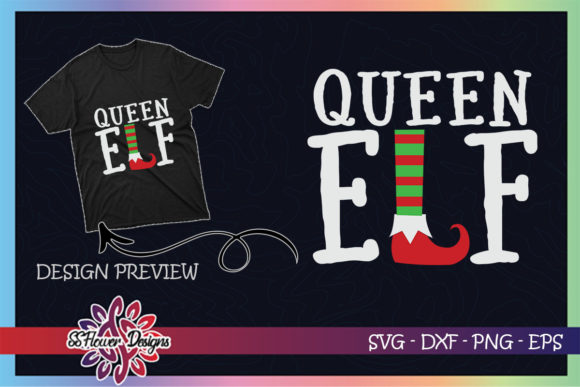
Third, test thread color contrast. The elf design typically uses greens, reds, skin tones, and whites. On a cream or white fabric, the contrast is natural. On darker fabrics, you may need to adjust colors or add a subtle outline to keep the design readable. I tested it on a heather gray sweatshirt and found that a dark green outline helped the shape pop without losing the festive feel.
Fourth, consider commercial licensing. The product description states you receive digital illustrations on editable files, but it does not specify commercial use terms. Before you sell finished products or digital versions of this design, check the license agreement from your source. This is a standard step for any serious design asset used in a craft business. If you’re using it for personal gifts or one-off projects, the risk is lower, but for Etsy shops or client work, clarity on licensing is essential.
Finally, test the design in black and white. Remove the color information from your mockup or preview and see if the shape still reads clearly. This is a good way to check whether the design relies too heavily on color contrast to define its elements. Brother ELF Christmas holds up well in monochrome because its silhouette is distinctive and the internal details are well spaced. That’s a sign of thoughtful original artwork.
Final Thoughts: A Design Asset Worth Your Time
After working with Brother ELF Christmas across multiple projects, I can say it’s a solid addition to any embroidery designer’s library. It’s not a magic bullet that works perfectly on every fabric or every product, but with proper preparation and testing, it delivers consistent, attractive results. For small business owners, Etsy sellers, and handmade product creators, this design offers a good balance of charm, versatility, and professional finish.
If you’re planning to use it for custom apparel, holiday gifts, or boutique merchandise, I recommend starting with a tote bag or a sweatshirt in a light or medium color. That combination gives you the best chance of a clean, eye-catching stitch-out that your customers will love. With a little care in digitizing and stabilizer choice, Brother ELF Christmas can become a repeat performer in your seasonal product lineup. That’s the kind of design asset you want in your toolkit, especially when the holiday rush arrives and every stitch matters.