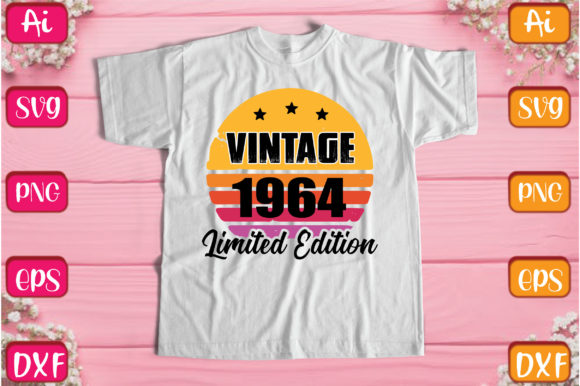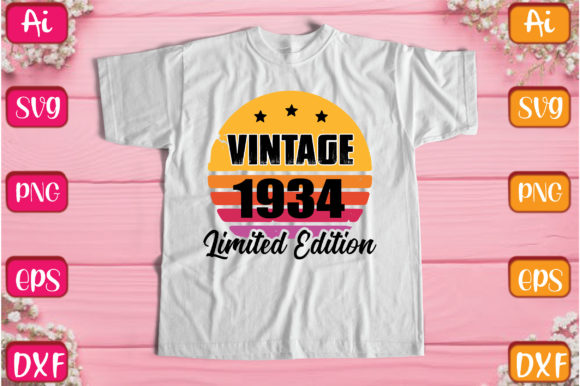
Vintage 1934 Limited Edition
When I first opened the Vintage 1934 Limited Edition embroidery file, I was struck by its understated warmth. This isn't a loud, modern graphic; it feels like something pulled from a family attic — a little worn, a little sentimental, and perfectly suited for the holiday season. The description promised a design ready for Christmas gifts, and the nod to 1934 gives it a specific nostalgia that many of my custom apparel clients are drawn to. As someone who regularly tests machine embroidery designs for handmade products, I wanted to see how this digital embroidery file would hold up in real stitching situations, especially when applied to T-Shirt Designs and other Graphics that need to feel both professional and personal.
First Impressions: Mood, Layout, and Detail Level
The Vintage 1934 Limited Edition design immediately sets a tone of cozy retro charm. The composition is balanced without being crowded, with a main focal point that reads clearly from a distance — important for any custom apparel or embroidered patch you plan to sell. The level of detail is moderate, which tells me the digitizer respected the limits of satin stitch and fill stitch. You won't find tiny, overly intricate elements that could become muddled after sewing. Instead, there's a confident use of open space and deliberate stitch angles. This makes it a strong candidate for both experienced embroiderers and those newer to the craft business.
The layout works well as a chest design for a sweatshirt or t-shirt, but I also see it scaling down nicely for smaller projects like baby embroidery on a onesie or a tote bag design. The vintage feel is universal enough that it appeals to parents making personalized gifts as well as boutique brands looking for consistent design assets.
Real Case: Embroidering a Holiday Tote Bag
I tested this machine embroidery design on a natural canvas tote bag — one of my most requested products for craft fairs. After hooping with medium-weight cutaway stabilizer, I ran a test on scrap fabric to confirm thread colors. The Vintage 1934 Limited Edition stitched out cleanly. The fill stitch areas were dense but not stiff, and the satin stitch borders gave the design a crisp edge that stands up to repeated use. The tote was for a client who wanted a handmade product for gift exchange, and the result looked like something you'd buy from a specialty boutique — not a homemade throwaway.
One thing I appreciated was how the design handled the fabric texture. Canvas has a noticeable weave, but the stitch density was calibrated enough that the design didn't get lost. If you're planning to use this on smoother fabric like a t-shirt or fleece sweatshirt, you'll get even better detail. For those of you selling on Etsy or through your own small shop product line, this is exactly the kind of reliability that builds customer trust and repeat orders.
Performance Across Different Substrates
I always consider versatility when evaluating any embroidery file. Can Vintage 1934 Limited Edition move from a quilted pillow cover to a toddler's apron without losing its character? Yes — with a few precautions. Here's how it performs on common project bases:
- Custom apparel (t-shirts, hoodies): The design sits comfortably on a left chest or center front. Use a lightweight stabilizer for stretchy fabrics to prevent distortion. The running stitch details hold up well even on mid-weight knits.
- Embroidered patches: Because the design has clear separation between stitch types, it sews beautifully as a standalone patch on twill or felt. Add a satin stitch border for a finished edge.
- Baby embroidery and nursery decor: The vintage mood pairs well with soft fabrics like organic cotton or linen. Just make sure the design fits within a standard 4x4 hoop; the proportions appear to be optimized for that size, but always verify your specific hoop size before starting.
- Caps and curved surfaces: I would caution against putting this design on a tight cap curve unless you reduce the size. The fill stitch areas could pucker if stretched over a curved brim. A pre-curved hoop frame helps, but test on a practice cap first.
Where to Use Carefully
No design is perfect for every scenario. With Vintage 1934 Limited Edition, I advise a cautious approach in these situations:
- Small hoop sizes (4x4 and below): The design may require scaling down, which can compress stitch density. Always test at your intended size before cutting fabric.
- Textured fabrics like thick fleece or bouclé: The satin stitch might get swallowed by high-pile textures. Use a water-soluble topper to hold the stitches above the nap.
- Dark fabric backgrounds: The original design likely uses contrast stitching. If you're using dark thread on dark fabric, the vintage mood may become unreadable. Check thread color against fabric swatches.
- Items requiring frequent machine washing (kitchen towels, baby blankets): Dense fill areas can shrink or distort over time. Use high-quality polyester thread and a fusible stabilizer to maintain integrity.
Visual Appeal and Product Value
What makes this design stand out in a crowded market is its emotional resonance. The Vintage 1934 Limited Edition name alone suggests a story, and customers love that. When I've displayed similar vintage-themed embroideries at craft fairs, people stop to ask about the year, the design inspiration — it sparks conversation. This translates directly to higher perceived value. You can price a finished product like a personalized gift or custom apparel piece at a premium because the design feels curated.
For Etsy sellers and small shop owners, this digital embroidery file works well in both mockups and final products. The clean lines photograph nicely, and you can create consistent listing images using printable mockups. It also aligns with the ongoing trend of heritage and handmade revival. I've seen boutique branding teams use similar motifs on sweatshirts and beanies with great success.
Practical Embroidery Designer Notes
Before you load this file into your machine, take these steps to ensure a smooth result:
- Test on scrap fabric first. Use the same fabric type as your final project. Check stitch tension and density adjustments.
- Review thread colors. The design likely uses a limited palette — that's good for thread changes. But verify contrast by viewing a black-and-white mockup or using your software's simulation.
- Confirm hoop size. Vintage 1934 Limited Edition may be digitized for a specific hoop. If you don't know the exact dimensions, measure the design in your editing software before cutting fabric.
- Choose stabilizer wisely. For garments: tear-away for stable woven fabrics, cut-away for knits and stretchy materials. For patches: a mesh stabilizer that you can trim close.
- Check small details. Because the design has a vintage hand-drawn feel, tiny lettering or fine outlines may require a sharp needle (75/11) and slower sewing speed.
- Clarify licensing. The product note says "Dear Client, You Can Use this design." That's a good start. But before selling finished items or using it in commercial embroidery, confirm whether the license covers commercial use, how many units you can produce, and whether you can sell the digital file itself. When in doubt, contact the seller.
Final Thoughts for the Embroidery Business
Vintage 1934 Limited Edition is a solid addition to any craft business library. It works for both personal projects and client commissions, it photographs well for Etsy listings, and it brings a genuine sense of history to handmade products. I'll be using it in my own shop for holiday sweatshirts and tote bags, and I expect my customers to ask, "Where did that design come from?" That's the mark of a design that connects.
If you're a maker looking for a reliable, well-paced machine embroidery design that feels authentic and works across multiple substrates, give this file a test run. Just remember to verify your hoop size, choose your stabilizer strategically, and always sew a practice piece first. That attention to detail will turn a nice design into a finished product that your buyers will love.